The complete Form 5 tail lift inspection guide: how often, what’s checked, how to pass first time
 New Win Tec Company Limited 4 min read
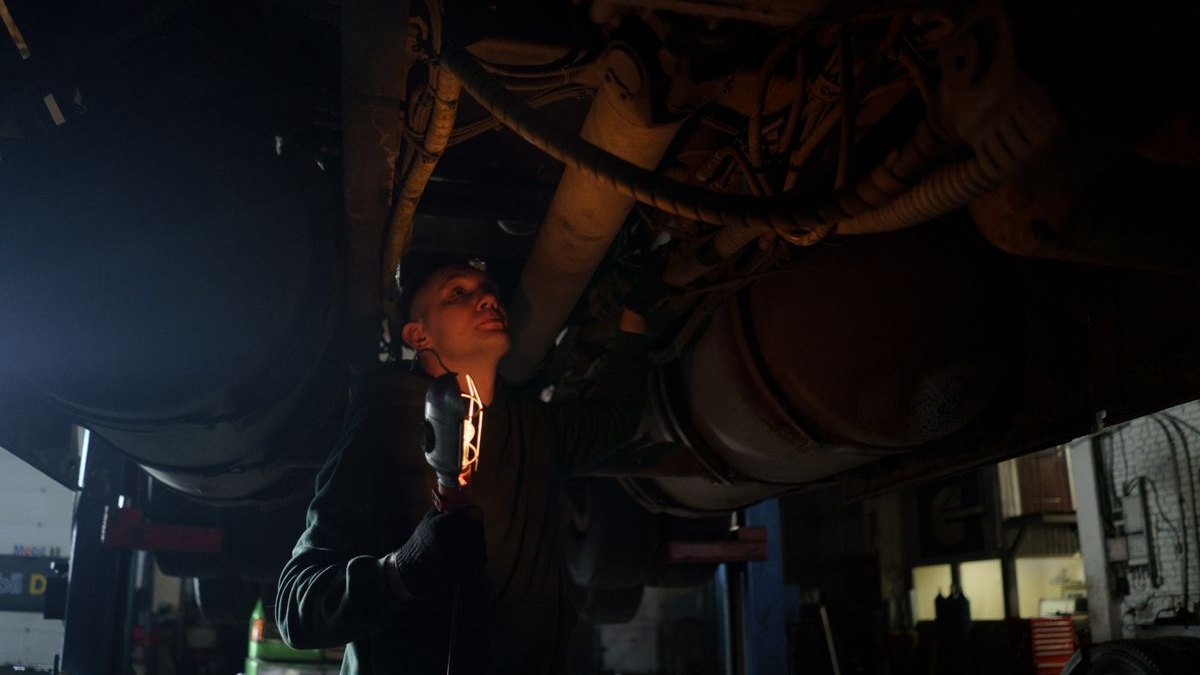
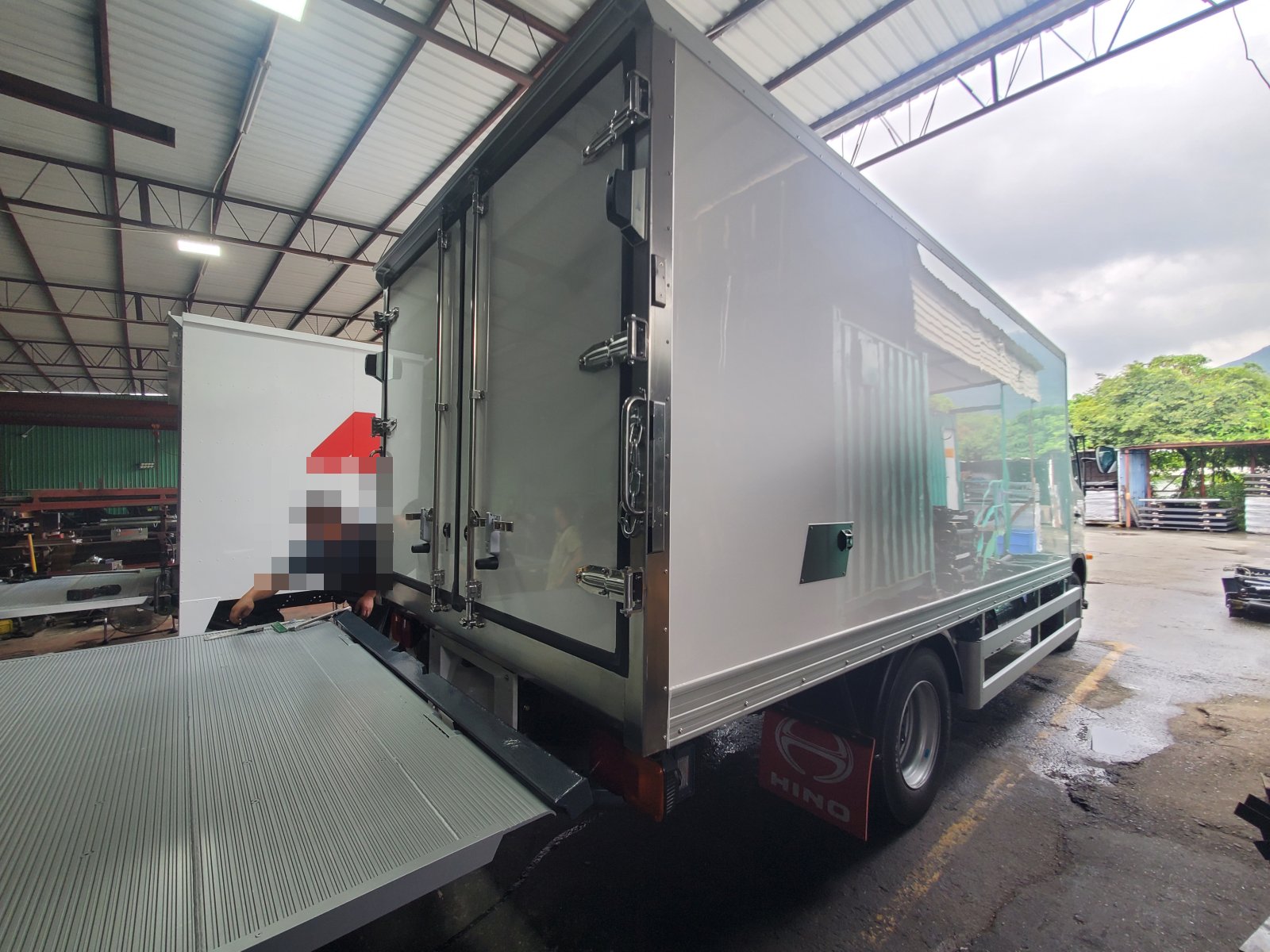
Hong Kong truck owners are familiar with the term “Form 5”, but many are only half-sure what the inspection covers, how often it must be done, and what happens if it fails. This article is a complete Form 5 inspection guide — inspection content, cycle, preparation and handling failures — so owners and fleet managers can see it all in one place.
What is the Form 5 inspection?
Form 5 is the inspection form for the annual inspection of tail lifts. Under current regulations, vehicles fitted with tail lifts must be inspected regularly by a qualified person to confirm the structure, hydraulic system, safety devices and operating functions meet requirements, with Form 5 issued as proof. A valid certificate is both a record of safe operation and a key part of compliant fleet operation.
How often must it be inspected?
Tail lifts should be inspected every 12 months by a qualified person. Fleets can set inspection cycles based on vehicle registration dates to avoid late inspections. If vehicles are frequently overloaded or heavily used, consider shortening the interval to catch problems early. New Win Tec can set up inspection reminder lists for your fleet and notify you proactively before expiry, so operations are never affected by a missed inspection.
What does the Form 5 inspection check?
A Form 5 inspection generally covers:
- Structural check: platform, brackets, hinges and welds for deformation, cracks or corrosion;
- Hydraulic system: pump, cylinder, hoses and seals for leaks; oil level and quality;
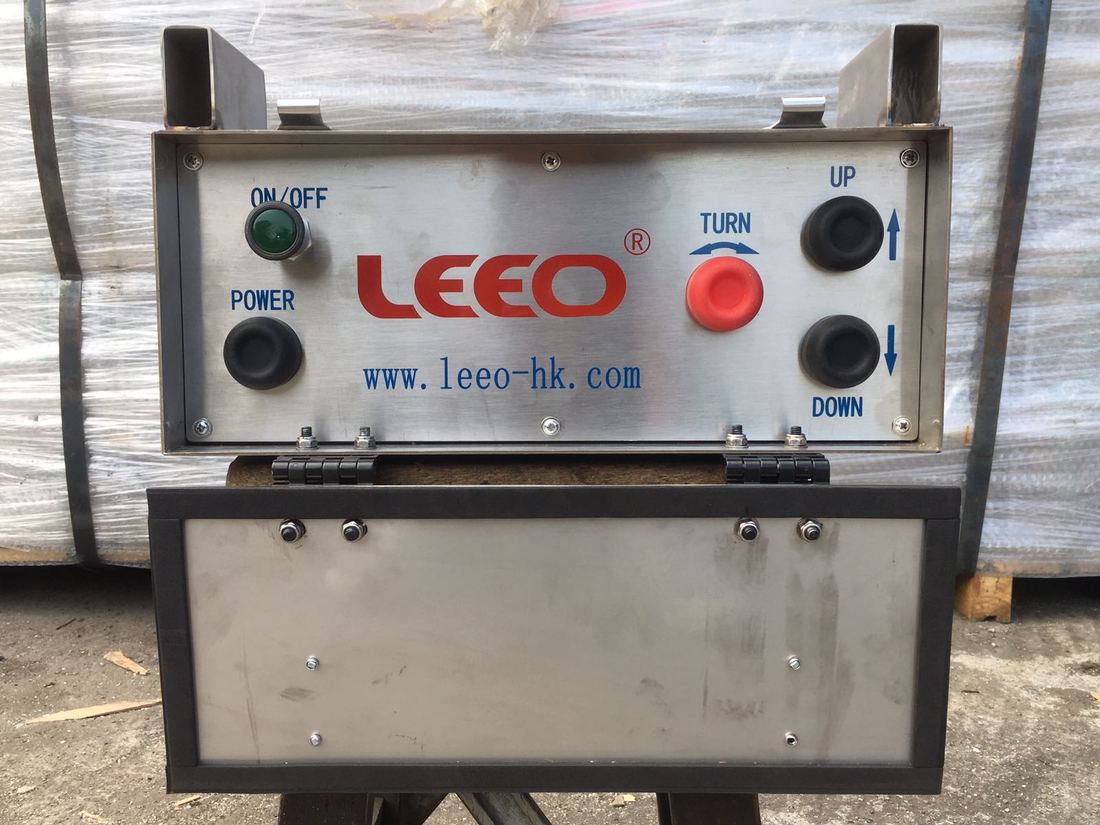
- Electrical and controls: controller, solenoid valves, wiring and fuses working correctly;
- Safety devices: the five safety devices (dual-hand control, buzzer, flashing light, anti-trap foot guard, laser scanner) present and effective;
- Load test: actual lifting test at rated capacity to confirm load and braking functions.
Common reasons for failure
From years of inspection experience, failures usually stem from:
- Cylinder or hose leaks, or low hydraulic oil;
- Cracks at platform or bracket welds;
- Safety devices failed or missing — e.g. buzzer silent, light not working;
- Damaged or poor-contact controller buttons;
- Deformed platform or loose hinges.
How to prepare before the inspection?
- Check the oil level and leaks in advance, arranging repairs if any;
- Test the controller and safety devices;
- Clear the platform and rear of debris for the inspector;
- Prepare the vehicle and tail lift documents;
- If repairs were recently completed, keep the receipts to submit together.
Five criteria for choosing an inspection provider
- Qualified personnel: inspection by an EMSD-registered vehicle maintenance technician;
- Workshop qualification: a registered vehicle maintenance workshop for guaranteed procedures;
- Same-day certificate: Form 5 issued on the spot if the inspection passes — no wasted trips;
- One-stop service: failed items quoted and repaired on site, with certification completed the same day in most cases;
- Inspection reminders: expiry reminders so fleets never miss an inspection.
Frequently asked questions
How long does the inspection take?
A standard inspection with load testing takes about 45 minutes, depending on vehicle type and the number of checks.
What if the inspection fails?
Failed items can be quoted and repaired on site; after repair, the vehicle is re-inspected, with certification the same day in most cases, minimising fleet downtime.
Can the inspection be done on site?
Yes, on-site inspections can be arranged across Hong Kong, Kowloon and the New Territories, convenient for fleets.
What’s the difference between Form 5 and a vehicle inspection?
Vehicle inspection covers overall vehicle compliance, while Form 5 specifically covers the tail lift’s safety condition — they are handled separately. A well-maintained tail lift also helps the overall vehicle inspection pass.
Fleet inspection management tips
- Set a separate inspection expiry date for each vehicle and record it in the fleet management system;
- Assign someone to coordinate inspection bookings to avoid last-minute rushing;
- Schedule annual maintenance and Form 5 inspection in the same period and handle them together;
- Use an inspection reminder service so the provider notifies you before expiry;
- Keep historical Form 5 records for fleet audits and insurance reviews.
Summary
The Form 5 inspection is the annual checkpoint for safe tail lift operation and an important part of compliant fleet operation. New Win Tec Company Limited’s team brings over 38 years of tail lift industry experience, providing one-stop Form 5 inspection, load testing, failed-item repair and inspection reminder services — completing inspections in the shortest possible time so your fleet keeps working. WhatsApp (852) 9098 9100 to book; our 24-hour rescue hotline is always open.