Aluminium or steel? Folding or vertical? Must-read before choosing a tail lift
 New Win Tec Company Limited 4 min read
When choosing a tail lift, owners ask two questions most often: aluminium or steel? Folding or vertical? The answer depends heavily on vehicle weight class, cargo type, loading frequency and operating environment. This article starts with selection principles and breaks down the suitable scenarios for different materials and structures, helping owners make the right decision before installation.
Think through three questions first
- How many tonnes is the truck? Tail lift capacity must match the axle load and chassis structure — a light truck with a heavy-duty platform wastes money and increases fuel consumption.
- How heavy is the heaviest load? The rated capacity must exceed your heaviest regular load, with a safety margin.
- What is the loading environment? Narrow streets, basements, slopes or fixed loading points directly affect platform size and lift-type choice.
Aluminium vs steel platforms
| Comparison | Aluminium platform | Steel platform |
|---|---|---|
| Weight | Light, saves fuel and suspension load | Heavier, robust structure |
| Corrosion | Anodised, corrosion-resistant and durable | Needs regular anti-corrosion maintenance |
| Load capacity | Suits light and medium trucks | Strong capacity for heavy-duty work |
| Suitable vehicles | 3.5–9 tonne vehicles | 10.5 tonnes and above, high-frequency operations |
| Repair cost | Platform replacement costs are higher | Welding repairs are relatively straightforward |
Which vehicles suit aluminium?
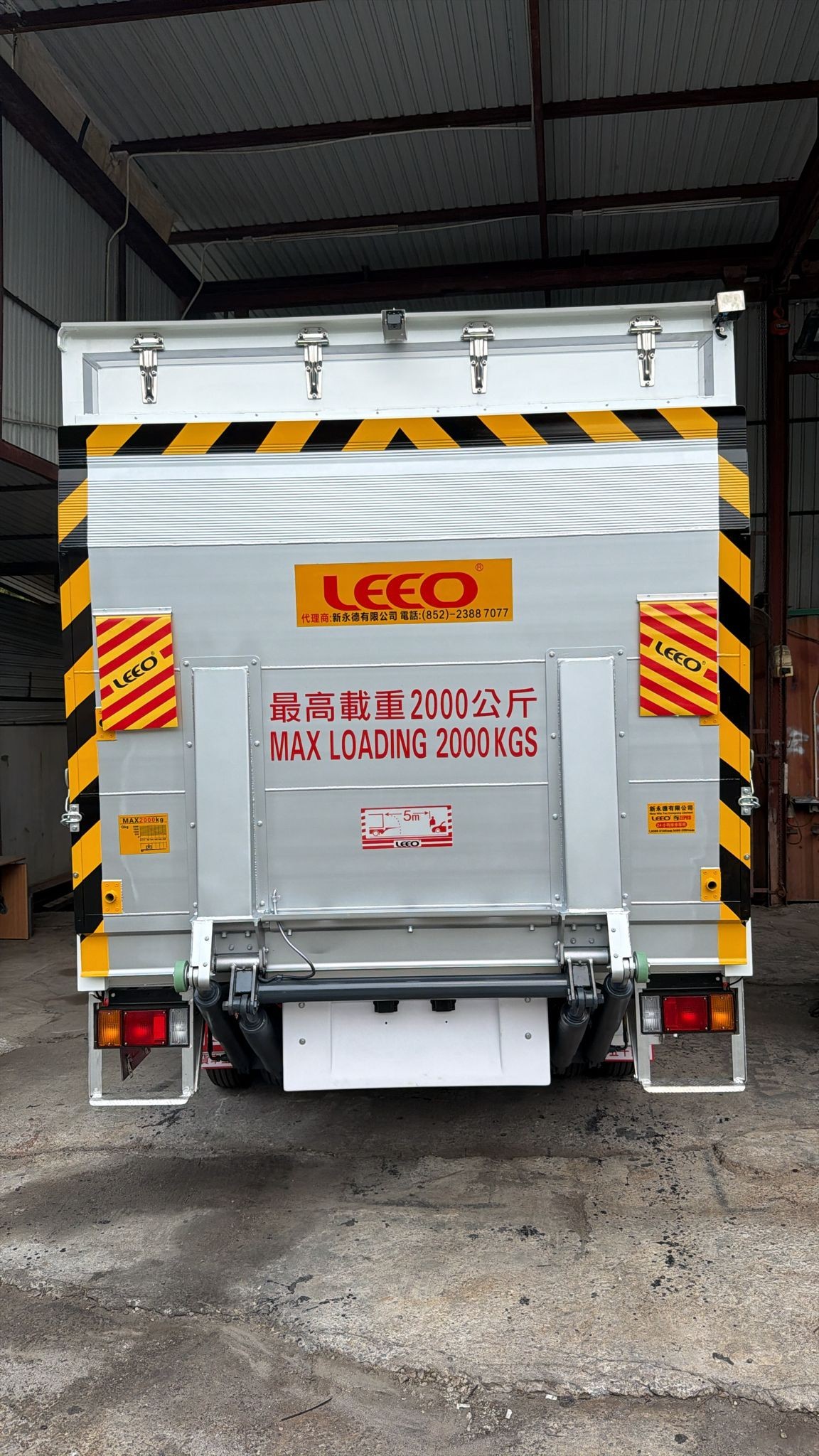
Light and medium trucks should choose aluminium — the lighter weight lowers fuel consumption and suspension load, and the anodised surface resists corrosion, suiting daily deliveries, refrigerated vehicles and frequent urban lifting routes.
Which vehicles suit steel?
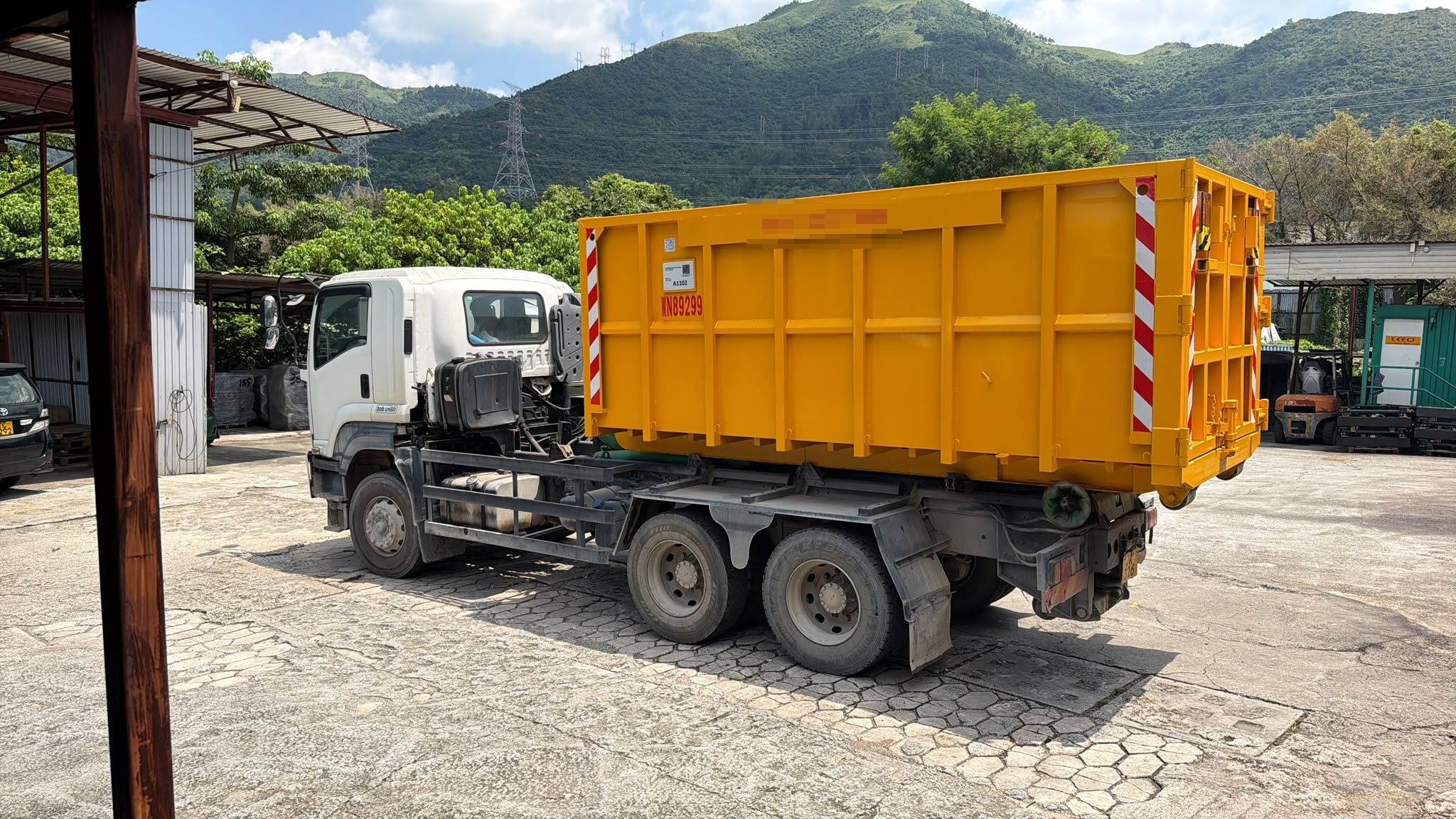
Heavy trucks or high-frequency loading should choose steel. The robust structure and strong impact resistance suit construction materials, waste removal and other high-intensity uses; regular anti-corrosion treatment extends its life.
Folding vs vertical lifts
- Folding: the platform folds away to save space — ideal for narrow streets, basements, car parks and space-limited environments, and the most common choice in urban Hong Kong;
- Vertical: the platform lifts vertically with stable load capacity, suited to heavy-duty work and fixed loading points, but with higher demands on installation space and rear body structure.
How to choose platform size?
Common platform sizes include 1700×1800mm and 1800×2000mm. When choosing, consider:
- Whether pallets fit completely on the platform;
- Whether a forklift or hand pallet truck can board smoothly;
- Whether the folded platform blocks the number plate, rear lights or reversing camera.
Load calculation and safety factor
The rated capacity should be at least 1.25 times your heaviest regular load to keep a safety margin. Never rely on “occasional overloading” — long-term overloading accelerates cylinder, pump and hinge wear and can trigger false safety device activations, affecting inspection.
How to choose a brand and distributor?
Choosing a tail lift isn’t just picking “a platform” — it’s choosing the installation, repair and parts support behind it. Choose a provider with distributor status: for example, New Win Tec Company Limited is the LEEO tail lift distributor for China, Hong Kong and Macau, so installation, parts and maintenance are handled by one company end to end.
Frequently asked questions
Can I replace only the platform on a used truck?
It depends on the structure. If the cylinder, pump and brackets are still in good condition, replacing only the platform can be considered — a free inspection first is recommended to avoid unnecessary spending.
Do I need approval to install a tail lift?
A tail lift is a vehicle modification. Before installation, confirm it meets relevant regulations and inspection requirements, have a qualified workshop install it, and keep the documentation so future vehicle and Form 5 inspections run smoothly.
Common tail lift specifications at a glance
Common configurations in the market for reference (actual figures per the manufacturer’s catalogue and vehicle calculation):
| Vehicle | Common platform size | Common rated capacity |
|---|---|---|
| 3.5-tonne light truck | 1700×1800mm | 1000–1500 kg |
| 5.5–9-tonne medium truck | 1800×2000mm | 1500–2000 kg |
| 10.5-tonne+ heavy truck | 2000×2200mm | 2000–3500 kg |
Pre-installation checklist
- Confirm the chassis space and rear structure suit installation;
- Confirm the folded platform doesn’t block the number plate, rear lights or reversing camera;
- Reserve power and control wiring positions;
- Choose an installer with distributor status and keep installation documents;
- Perform load and function tests after installation and accept the vehicle only when everything is confirmed.
Summary
The key to choosing a tail lift is not a single specification but the overall match: weight class, cargo, environment, capacity and after-sales support all matter. New Win Tec Company Limited’s team brings over 38 years of tail lift industry experience, providing installation and replacement for aluminium and steel, folding and vertical tail lifts, with professional advice tailored to your vehicle. WhatsApp (852) 9098 9100 for a quote.