Tail lift installation, retrofit & replacement pricing guide: why every quote needs an on-site inspection
 New Win Tec Company Limited 6 min read
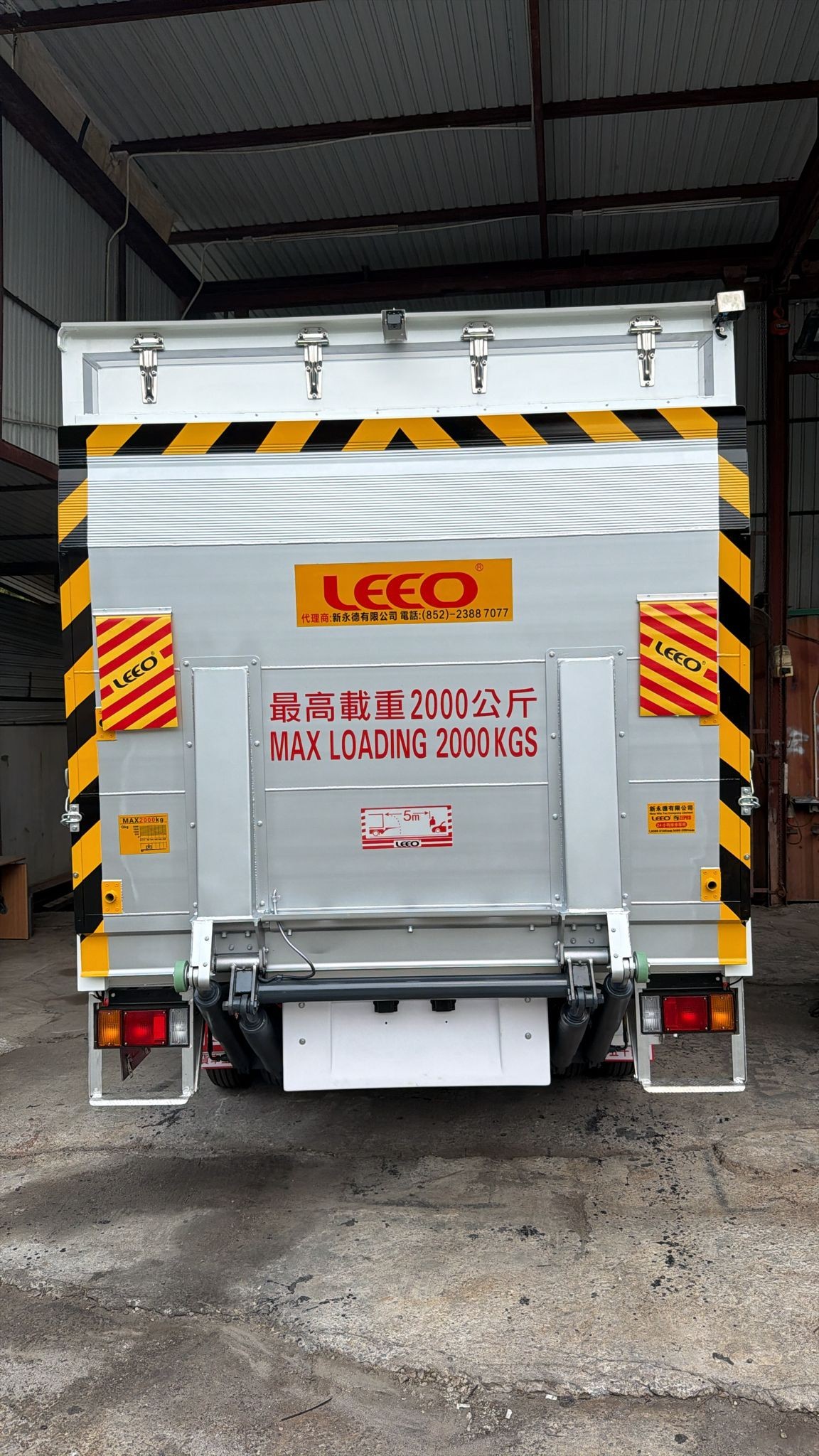
Hong Kong truck owners often hear the same answer when asking for a tail lift quote: “we need to see the vehicle first.” Why can’t a tail lift be quoted like a standard spare part? Because installing, retrofitting or replacing a tail lift is a structural modification, not a standard product. Every truck differs in tonnage, chassis, mounting space and hydraulic/electrical setup, so retrofit labour time can vary a lot. This article explains what drives the quote, how much more aluminium normally costs than steel, and why an on-site inspection before quoting is the fairest approach for both sides.
Why there is no one-size-fits-all price
Installing, retrofitting or replacing a tail lift involves measuring, chassis work, hydraulics, wiring and safety devices — every step depends on the actual vehicle:
- Chassis structure and rear space differ from truck to truck; no two retrofits are identical;
- Installation involves welding, drilling and hydraulic line work — structural modification that must follow the real condition of each vehicle;
- Retrofitting an existing vehicle adds a condition-assessment step that new-vehicle installation doesn’t have. Ageing, corrosion and previous repairs all affect the process.
That is why the same tail lift model can take very different labour and parts on different trucks — quotes must be calculated vehicle by vehicle.
5 factors that affect retrofit labour time
1. Vehicle tonnage and chassis
A 3.5-tonne light truck and a 10-tonne-plus heavy truck have completely different chassis, load capacity and mounting space. The heavier the vehicle, the bigger the tail lift spec and the more complex the installation and lifting work.
2. Mounting position and rear space
Whether the rear already has a hydraulic tank, spare wheel carrier, bumper or modified tail frame directly affects where the lift can be mounted. Tight spaces, repositioning or removing existing parts all add labour.
3. Hydraulic system and electrics
New-vehicle installation can usually take a factory oil feed point. Retrofitting an existing vehicle means checking pump power, electrical load and control wiring — sometimes adding an auxiliary cylinder or separate power supply. These are the hidden factors in labour time.
4. Platform size and material
Larger platforms and higher capacities mean heavier components, longer installation and longer testing. Aluminium platforms are lighter but cost more; steel is heavier but more rugged — the installation process also differs.
5. Additional accessories and safety devices
Dual-hand controls, buzzers, flashing lights, anti-trap foot guards, infrared/laser sensors, plus side rails, retaining clips and stoppers all have to be installed and tested one by one. The more you add, the longer the job takes.
Aluminium vs steel: how much more does aluminium cost?
This is the most common question. Industry sources agree that aluminium costs more than steel, but there is no single accepted ratio, because the gap varies by model, size, capacity and manufacturer:
- Pacific Auto (太平洋汽車) notes that steel platforms are typically about RMB 3,000–5,000 cheaper than the same aluminium model, thanks to mature production processes and higher market share;
- Another Pacific Auto article notes that aluminium platforms weigh about 40% less than steel, usually cap out around 2 tonnes of capacity, cost more, but save fuel and reduce suspension load over time;
- One manufacturer (Dongguan Juren Machinery) cites a difference of about RMB 1,500–2,500 — showing the gap really varies by model;
- As an example from public manufacturer listings on Accio, steel platforms run about US$930–1,050 per set while aluminium runs about US$1,200–1,400 per set — roughly 20–30% more for aluminium.
In short: aluminium usually costs roughly 20–30% more than a steel platform of the same spec, and sometimes more, but it is about 40% lighter, saving fuel and reducing suspension load over time — a good fit for light and medium trucks and frequent urban deliveries. Steel has a lower entry price and a rugged structure, suited to heavy-duty work. The real choice isn’t just the purchase price; it’s the long-term operating cost. (The differences above are based on mainland China prices in RMB; actual Hong Kong quotes vary by model, freight and installation work, so the final quotation should follow an on-site inspection.)
Why an on-site inspection must come before a quote
- Measuring: confirm rear space, platform size, and that the folded platform won’t block the number plate or rear lights;
- Structure: confirm chassis thickness, weld points and load-bearing positions suit the installation;
- Hydraulics and electrics: check the oil feed point, pump power and electrical load;
- Existing-vehicle condition: retrofits and replacements on used trucks need a check for corrosion, deformation or issues left by previous repairs.
New Win Tec offers a free on-site inspection. A technician inspects the vehicle first, then issues a quote itemising the model, accessories and work involved — no hidden charges. This is fairest for the owner: labour is never guessed, and there are no “extra charges after installation”.
Installation, retrofit and replacement — what’s the difference?
- New-vehicle installation: fitted at delivery or on a new vehicle; the condition is clean, so the process is more straightforward;
- Retrofitting an existing vehicle: adds a structure and condition assessment, so more work is involved;
- Full replacement: the old lift is removed first — handling the old hydraulics, brackets and wiring — so labour depends on the state of the previous installation.
Three identical truck models can still be quoted differently depending on age and the quality of the previous installation. “Inspect before quoting” isn’t just industry practice — it’s the responsible way to work for both sides.
What to prepare before asking for a quote
- Provide the licence plate number, model/tonnage and existing tail lift model (if any);
- Tell us whether you need installation, retrofit or replacement, and what goods you mainly load;
- Photograph the rear, chassis and pump area for a preliminary assessment;
- Book a free on-site inspection so the technician can see the real condition before quoting.
Frequently asked questions
Why can’t you quote over the phone?
A tail lift retrofit is a modification project, not a standard part. Phone quotes can only give a reference range — an accurate quote requires seeing the vehicle to confirm the chassis, space and hydraulic/electrical setup.
Is aluminium always much more expensive?
Based on industry data, aluminium generally costs roughly 20–30% more than steel of the same spec, sometimes more; but it is about 40% lighter and saves fuel over time. The actual gap depends on model and size.
Is retrofitting an existing vehicle always more expensive than installing on a new one?
Usually yes, because it adds a condition assessment and more modification work — but the actual quote still depends on the vehicle.
Is the free inspection really free?
Yes. New Win Tec offers a free on-site inspection and only issues a quote afterwards — there’s no obligation to use our service.
References
- Pacific Auto — “关于汽车尾板您了解多少?”: https://m.pcauto.com.cn/x/4519/45193573.html
- Pacific Auto — “丰田v6尾板的价格是多少?”: https://www.pcauto.com.cn/wd/4650369.html
- Dongguan Juren Machinery — “汽车尾板优势与劣势?”: http://www.jurenwb.com/news/16.html
- Accio — Flatbed Tailgate manufacturer listings: https://www.accio.com/plp/flatbed-tailgate
- Cadro — “Aluminum Vs. Steel: What’s The Difference in Lightweight Tail Lift Materials?”: https://www.cadrotaillift.com/aluminum-vs-steel-what-s-the-difference-in-lightweight-tail-lift-materials.html
Summary
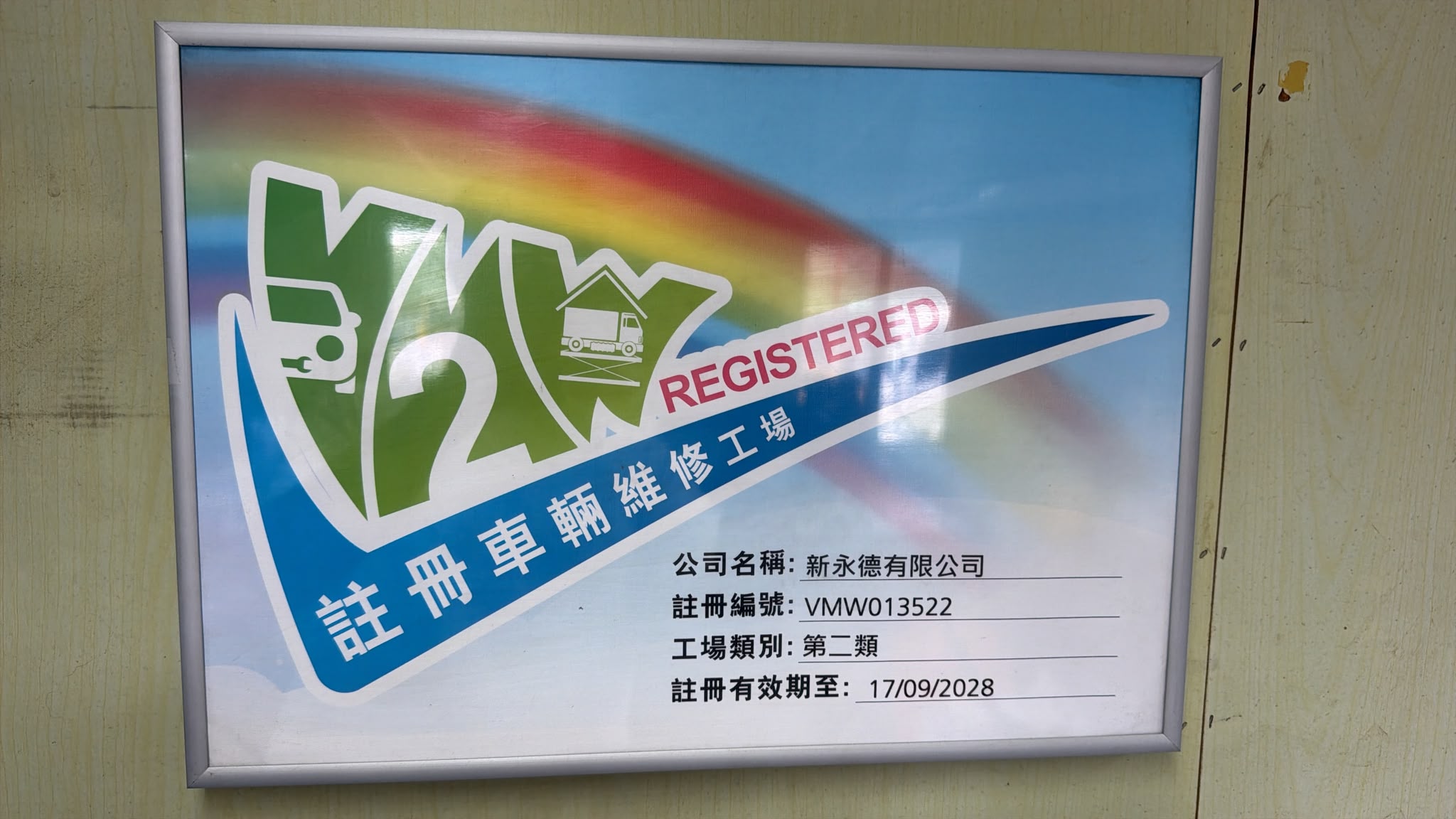
There is no one-size-fits-all price for a tail lift because every vehicle is an individual project. New Win Tec Company Limited’s team brings over 38 years of tail lift experience; we are an EMSD-registered vehicle maintenance workshop (Registration No. VMW013522, Category 2) providing new-vehicle installation, retrofitting, full replacement and free on-site inspections — we quote after seeing the vehicle, with transparent pricing. WhatsApp (852) 9098 9100 to book an inspection.