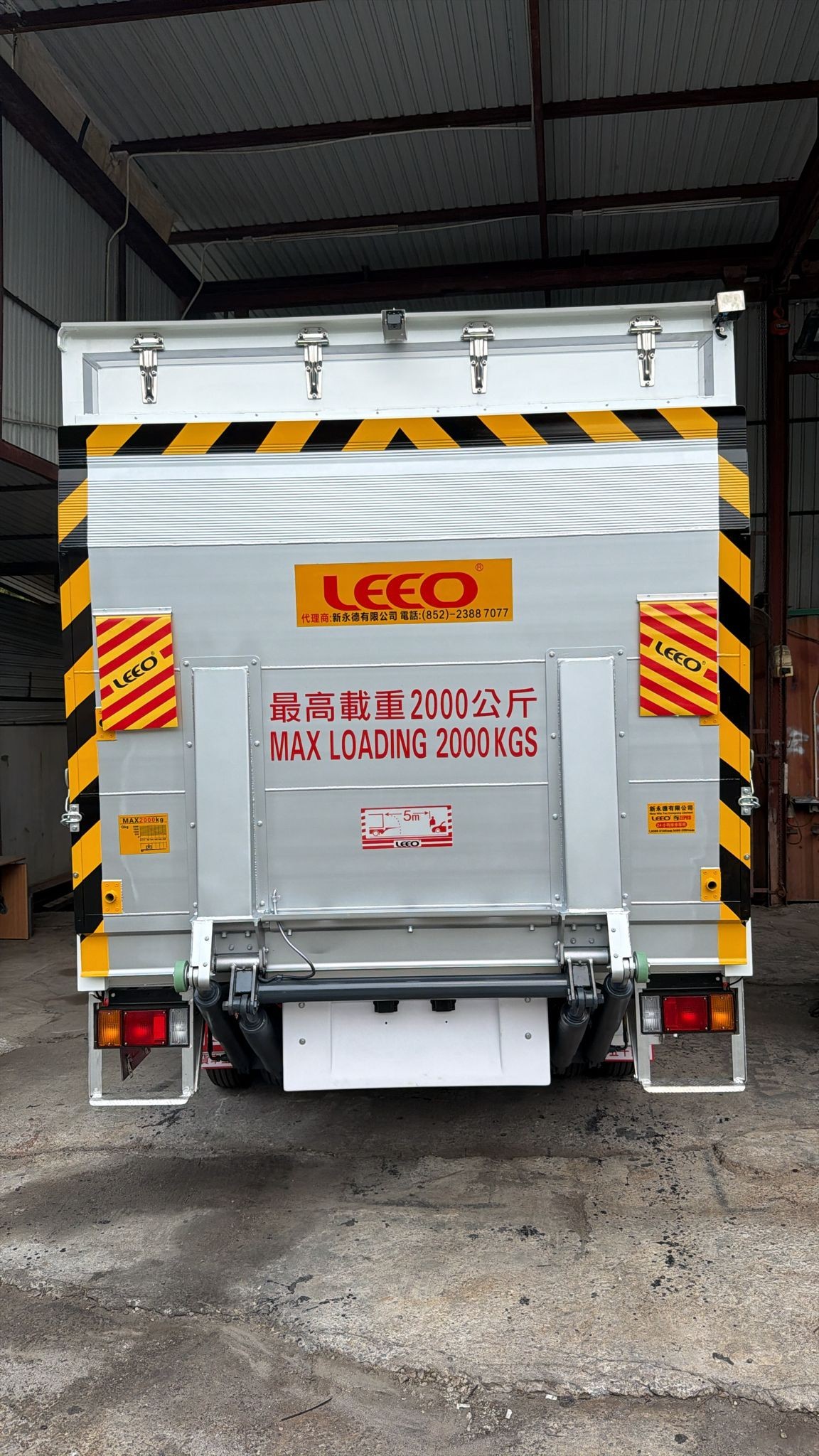
Tail lift maintenance checklist: how often should it be checked?
 New Win Tec Company Limited 4 min read
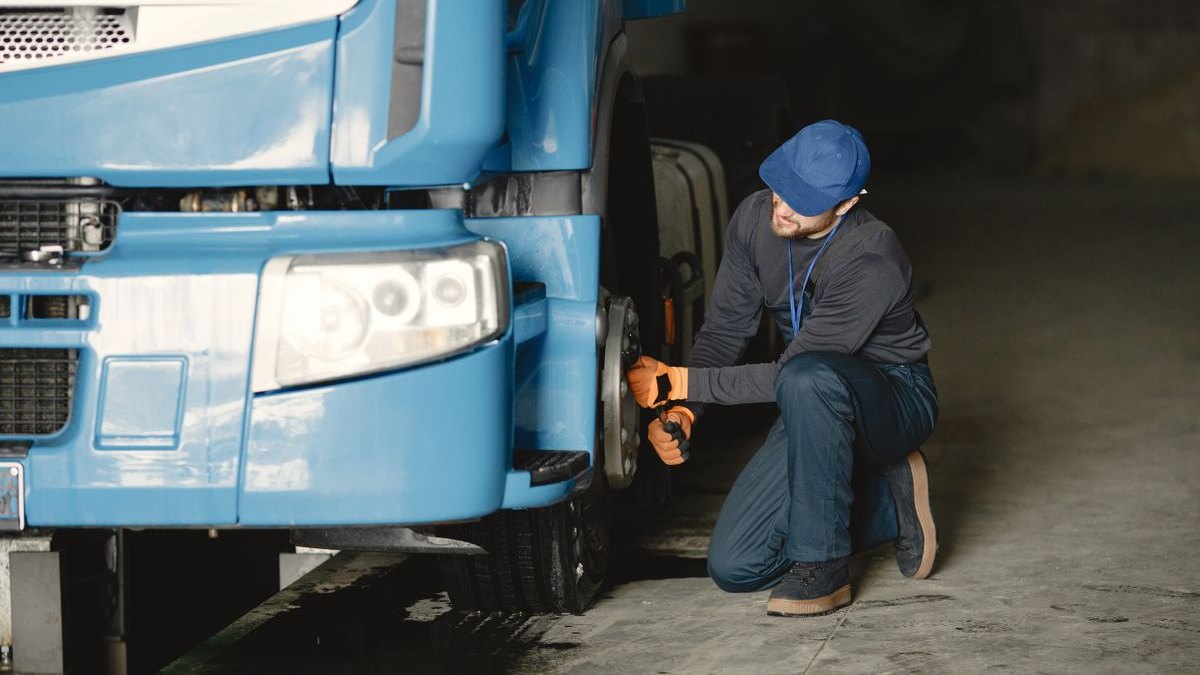
There is no single right answer to tail lift maintenance, but following a systematic inspection frequency lets you avoid the biggest risks with the least effort. This article sets out a maintenance checklist from daily to annual and explains what to focus on at each stage, ready for owners and fleet managers to apply directly.
Why is regular maintenance so important?
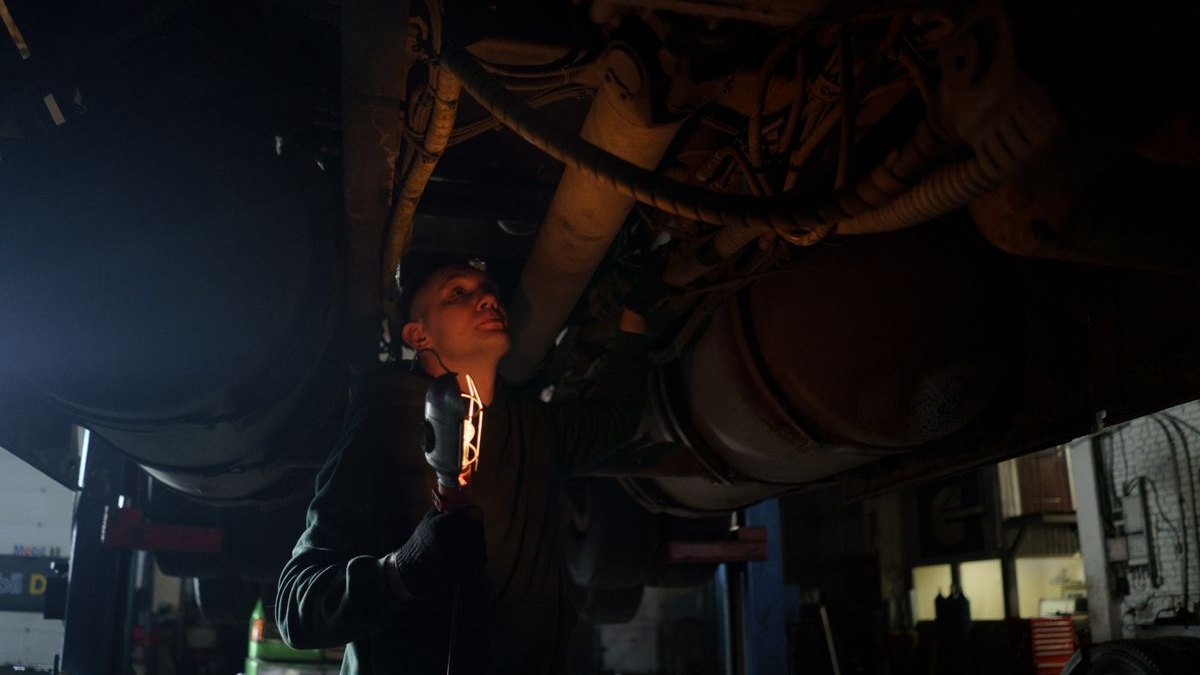
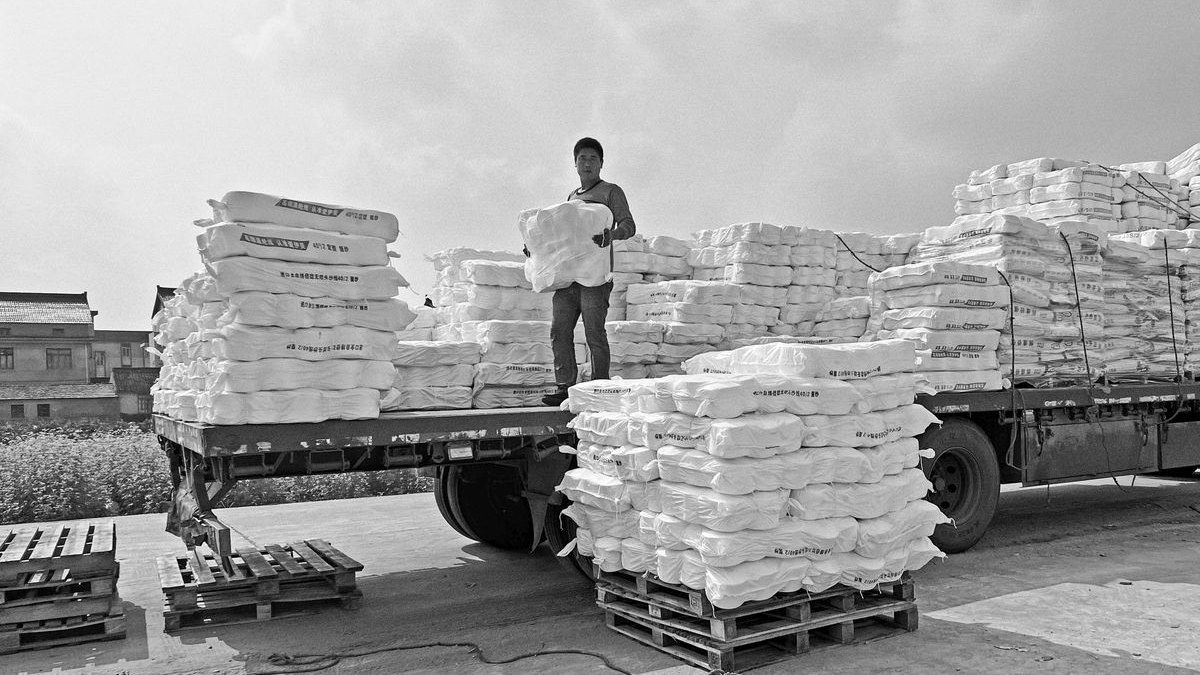
Tail lifts are high-frequency mechanical equipment — hydraulic systems, circuits and structural parts wear over time. Many owners think “use it until it breaks”, and small problems become major faults: a leaking hose can cost a few hundred dollars to fix, but leaving it until the cylinder is ruined costs thousands; loose platform hinges left unaddressed can even cause safety incidents. The value of regular maintenance is finding problems early at the lowest cost, avoiding downtime.
Daily checks (30 seconds before departure)
Daily checks need no professional tools — drivers spend 30 seconds before setting off:
- Visually check the platform, hoses and cylinder for obvious leaks or deformation;
- Confirm safety devices (buzzer, light, sensors) are working;
- Confirm controller buttons respond normally and nothing is stuck.
If anything seems abnormal, record it and arrange an inspection soon — never run a truck with known faults.
Weekly checks
Once a week, carried out by the driver or fleet manager:
- Check the hydraulic oil level, topping up to the marked level if low;
- Check platform bolts and hinges for loosening;
- Check wiring connections for looseness or oxidation;
- Lubricate platform hinges to reduce wear.
Monthly checks
Monthly checks are best carried out by an experienced technician or trained staff:
- Check hoses for cracking, ageing or wear;
- Test solenoid valve operation;
- Clean sensor surfaces so dust doesn’t affect detection;
- Check the flashing light and buzzer work.
Quarterly checks
- Check cylinder seals for signs of oil seepage;
- Visually inspect platform weld positions for cracks and corrosion;
- Perform a load test and record the results;
- Run a full safety device function test to confirm all five devices work.
Annual check (Form 5 inspection)
By regulation, tail lifts must be inspected every 12 months by a qualified person, who issues Form 5. The annual inspection covers structure, hydraulic system, circuits, safety devices and load testing — the key checkpoint for safe operation. New Win Tec can set up inspection reminder lists for your fleet and notify you before expiry to avoid late inspections.
Fleet managers’ record-keeping recommendations
- Keep an individual maintenance record for each vehicle, noting inspection dates, issues found and outcomes;
- Build inspection frequency into fleet management processes with a designated person following up;
- Keep Form 5 and repair receipts for future reference and vehicle inspection;
- Use an inspection reminder service so no vehicle is ever missed.
Frequently asked questions
How often should hydraulic oil be changed?
It depends on usage frequency and oil condition. If the oil turns cloudy, dark or smells, change it promptly — usually combined with the annual inspection.
Can I keep using the tail lift if there’s a leak?
Not recommended. A leak means abnormal pressure or ageing seals in the hydraulic system; continued use can worsen the fault. Arrange an inspection promptly to avoid a small problem becoming a major repair.
Is the inspection charged?
New Win Tec provides free on-site inspection — the technician fully inspects before quoting, and there is no charge if no repair is done. Check first, then decide.
Common maintenance mistakes
- Thinking a sound means it’s fine: a buzzing buzzer only means it has power — sensors and anti-trap devices still need regular function testing;
- Treating leaks as “minor”: a leaking hose causes low hydraulic pressure and the platform can drop suddenly — a high-risk hazard that needs prompt attention;
- More lubrication is always better: use lubricants per the manufacturer’s guidance — excessive or wrong grease attracts dirt and accelerates wear;
- Fix it only at inspection time: leaving problems until the inspection usually means rushed repairs at higher cost and longer downtime than regular maintenance.
What are the benefits of a maintenance contract?
For fleets, a regular maintenance contract offers practical benefits: scheduled on-site checks by dedicated staff, more stable parts pricing, repair priority, and inspection reminders — easier fleet management.
Summary
Regular maintenance is the best protection for tail lift life and safety. New Win Tec Company Limited’s team brings over 30 years of tail lift industry experience, providing free inspections, regular maintenance, repairs and Form 5 inspection as a one-stop service — from daily checks to annual inspections, all handled for you. WhatsApp (852) 9098 9100 to arrange a time — our 24-hour rescue hotline is always open.