Infrared tail lift system failure: 3 hours of on-site diagnosis at an airport customer traced it to bodywork reflection
 New Win Tec Company Limited 4 min read
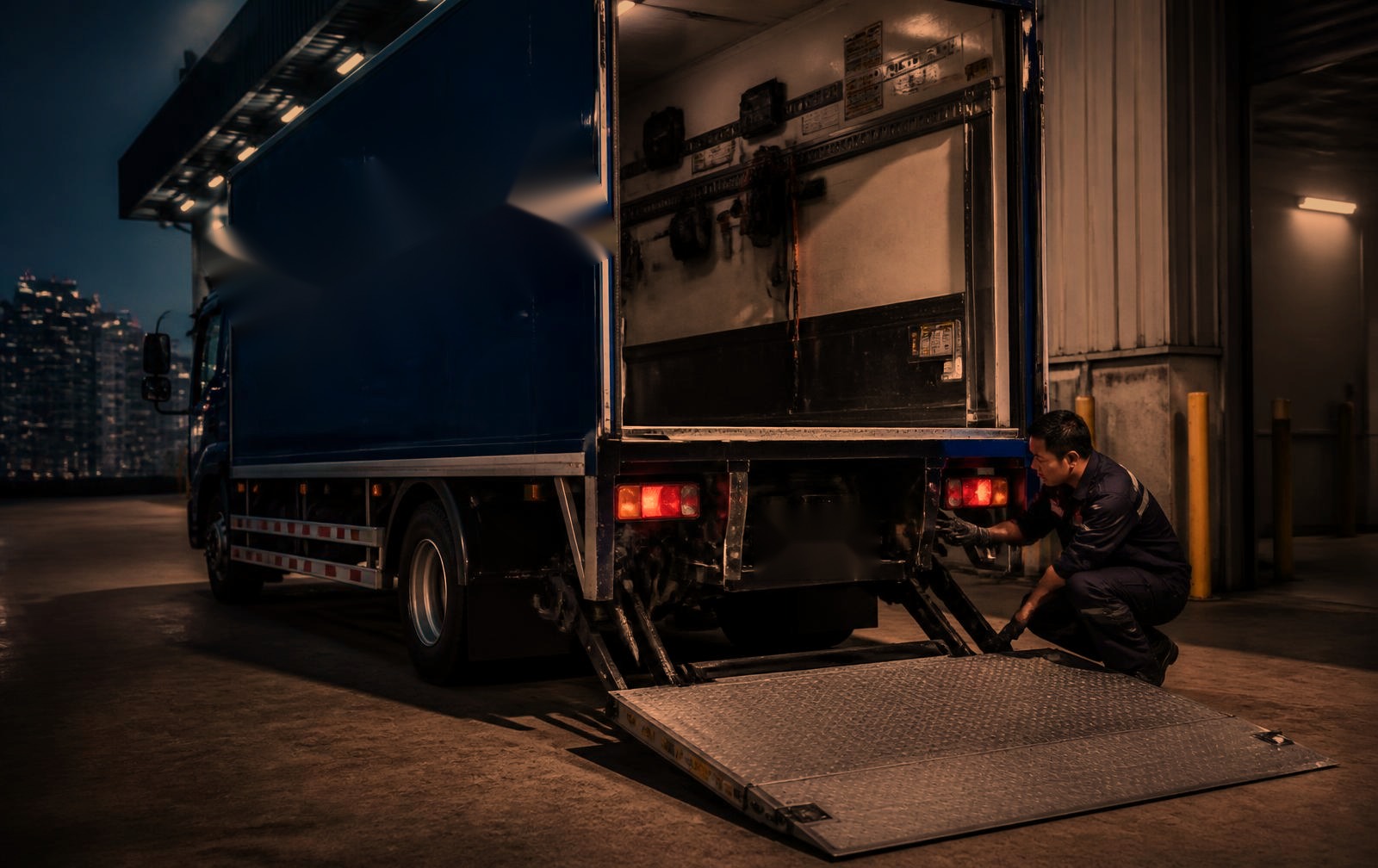
Last week we joined EPE (Everpeak Engineering) at an airport customer's site to fix an infrared tail lift safety system that kept stopping the platform for no apparent reason. It took around three hours of checks before we found the cause — and it wasn't the sensors or the voltage. It was something almost nobody thinks of: reflection from the bodywork.
What happened: the platform kept stopping for no reason
The customer said the safety system kept giving false stops: the platform would stop halfway even when nobody was near it, slowing down daily loading work. As soon as people heard about it, the usual guesses came up: "Too many sensors — the voltage can't push them all", "You need to add more power."
Three hours of on-site checks, eliminating one by one
Our technicians and EPE's worked side by side on site:
- Power and wiring first: we measured the supply voltage with a multimeter and checked the wire gauge and connectors. The wiring met the EMSD requirement (0.75 mm diameter) and the supply was normal — not a voltage problem;
- Then the sensors themselves: angle, dirt, any shift from impact — all fine;
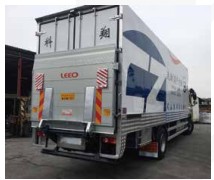
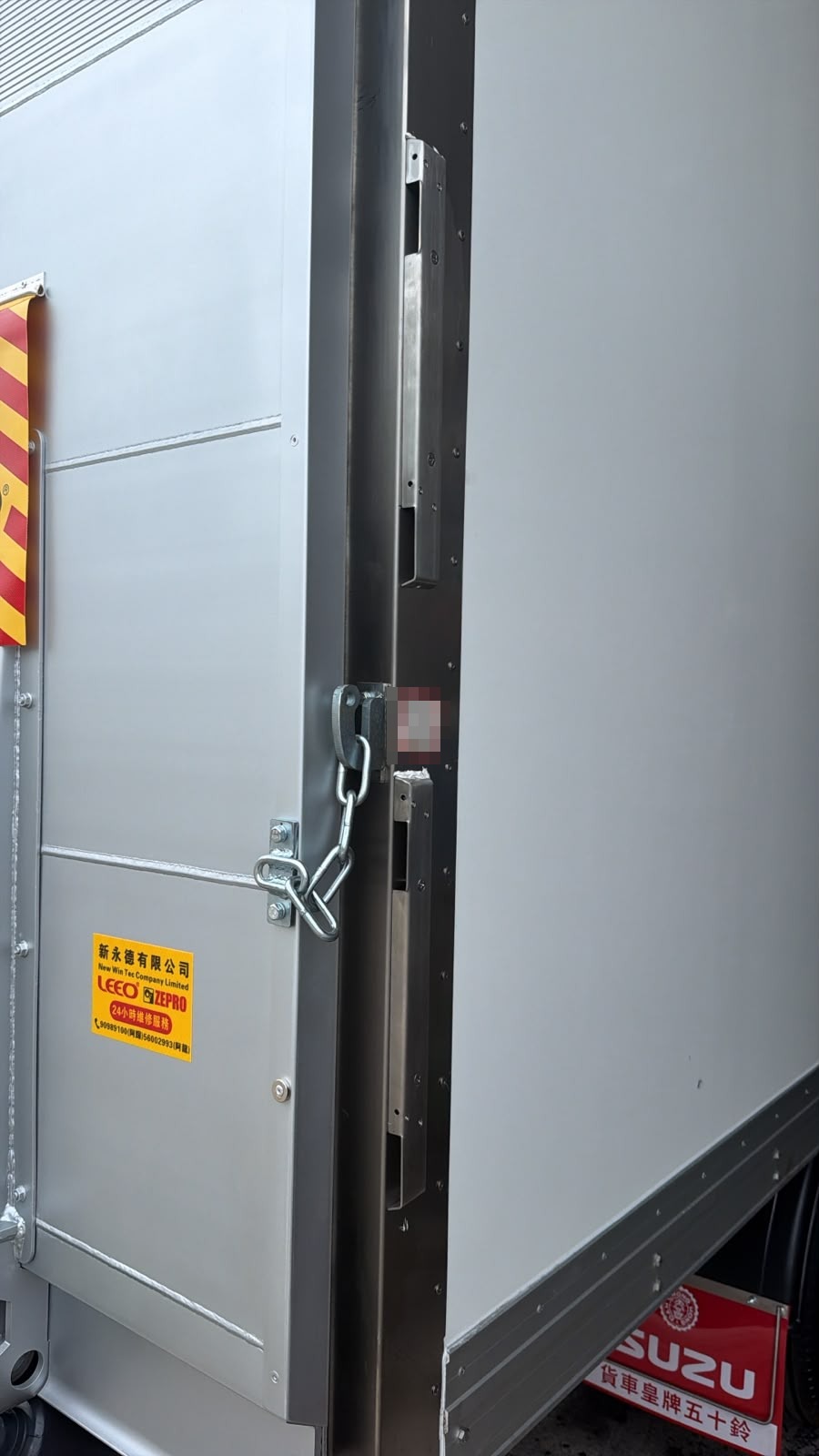
- Finally we stood behind the vehicle and watched it work: when the platform rose to a certain height, the reflective surfaces of the body or cargo box bounced the infrared beam back at the sensor, so the system misread it as an obstacle and stopped the platform.
The fix was simple: adjust the sensor angle and add shielding so the reflective surface no longer enters the detection range, then run the cycle a few more times — normal again.
Why do people blame low voltage? Infrared draws very little power
The most valuable part of this case is a common misconception: "If you install more sensors, the voltage won't be enough."
Infrared sensors use very little power — typically under 20 mA each. On a normal 12V/24V vehicle supply, even 8+ sensors are no problem at all; as long as the wiring meets the EMSD requirement (0.75 mm diameter), the supply has plenty of headroom. The EPE LD2503/LD2504/LD2505 systems we worked on today run on DC 12V/24V vehicle power with a detection range of 0.2 to 2.0 m (Everpeak official product page). Jumping to "low voltage" whenever someone mentions multiple sensors is usually guesswork without understanding how the system works. This case proves it again: without an engineering mindset and a real understanding of the principles, swapping parts or adding power just leaves the problem there.
How New Win Tec works: face the problem with the customer, see it through
We went on site together with EPE — manufacturer technicians alongside us — ruling things out one by one until we found the real cause.
At New Win Tec, on-site diagnosis isn't just quoting a price to swap parts. We stand on site with the customer, find the root cause, and keep testing until it works. Whether it's 24-hour emergency repair, Form 5 inspection, or tricky safety-system issues, the attitude is the same: we see it through.
If your vehicle has a similar problem
- Don't dismantle or swap parts at random — first record when it triggers and where the platform is when it does;
- Check the body and cargo box for reflective surfaces (especially polished aluminium, light-coloured bodywork, and mirrored accessories);
- Check the sensors for dirt and make sure their angle hasn't shifted;
- Make sure the supply wiring meets the EMSD requirement (0.75 mm diameter) — don't take shortcuts with thin wire;
- Get an experienced technician to do on-site diagnosis — we can attend together with EPE;
- WhatsApp (852) 9098 9100 to book a time.
Summary
The most valuable lesson from this case: infrared system failure is often not a hardware fault but the installation environment affecting the sensors. With an engineering mindset and a real understanding of the principles, you find the real answer.
New Win Tec Company Limited is an EMSD registered vehicle maintenance workshop (Registration No. VMW013522, Class 2) and an Everpeak Engineering partner. We stand with the customer on site and see problems through to the end. WhatsApp (852) 9098 9100 for enquiries.